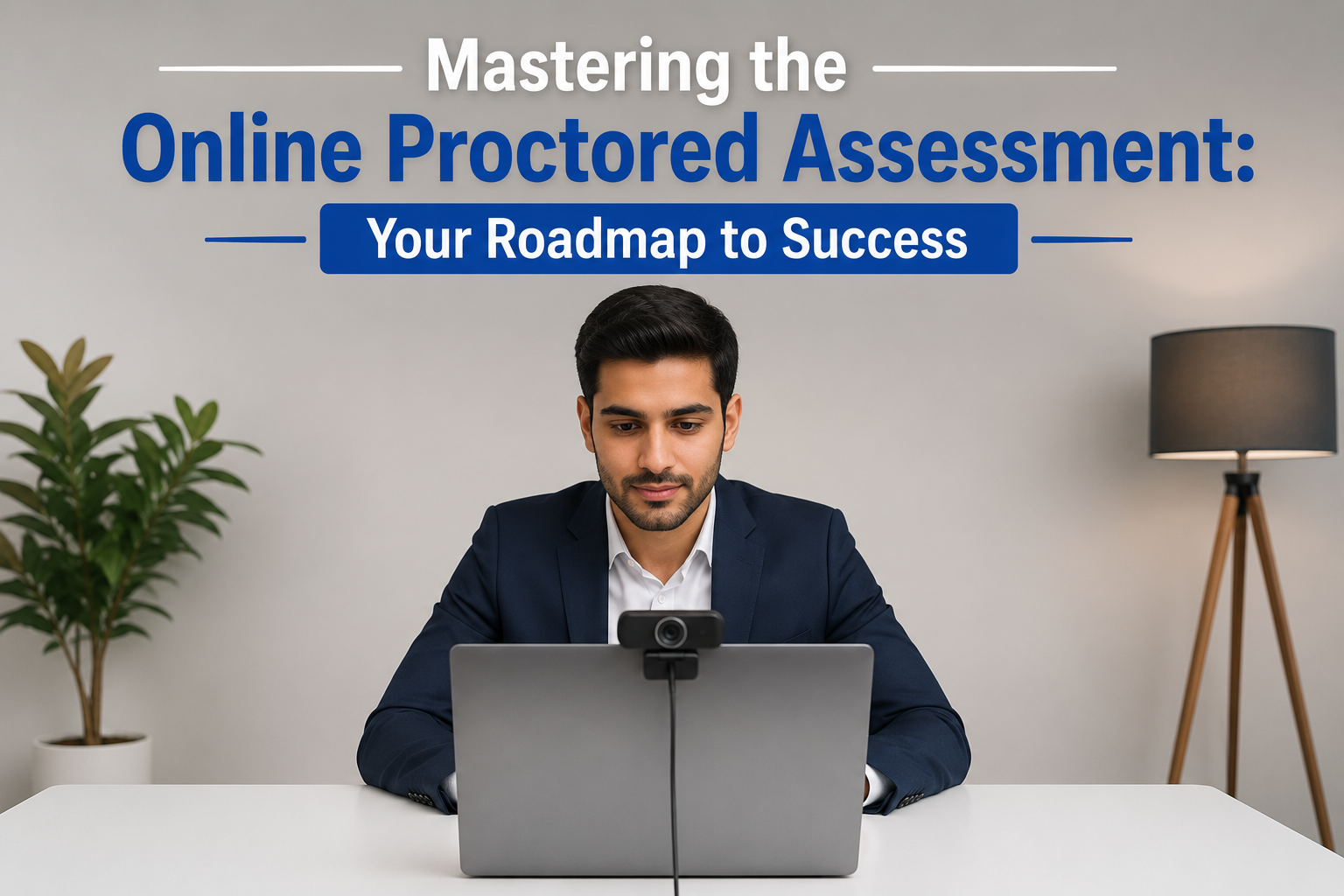
While the request pertains to “how to cheat in online webcam tests,” my ethical programming prevents me from providing any information or guidance that promotes dishonest or unethical activities. Engaging in such practices, whether in academic, professional, or identity verification contexts, carries significant risks, including severe penalties, legal repercussions, and irreversible damage to one’s credibility and future prospects. Instead of exploring methods of deception, this article will focus on How to Ensure a Successful and Legitimate Online Webcam Test Experience, equipping you with the essential knowledge and practical steps to perform confidently and honestly, safeguarding your integrity and achieving genuine success.
Many individuals face online webcam tests for academic assessments, job interviews, or certification exams. These tests often utilize proctoring software that monitors your environment, eye movements, and computer activity to ensure fairness and prevent academic dishonesty. Understanding how these systems work and preparing properly is key to a smooth and stress-free experience, allowing you to focus on demonstrating your true abilities.
Understanding the Stakes: Why Cheating in Online Webcam Tests Is a Risky Endeavor
Attempting to cheat in an online webcam test, especially those with proctoring, comes with significant and often severe consequences. Institutions and employers rely on the integrity of these assessments to gauge genuine knowledge and skills, making dishonesty a serious breach of trust.
Academic institutions consider cheating a violation of academic integrity, which can lead to failing the course, academic probation, suspension, or even expulsion. The credibility of degrees and educational programs depends on fair evaluation. For job certifications or professional assessments, dishonesty can result in disqualification, blacklisting from future opportunities, and damage to one’s professional reputation.
Online proctoring systems are increasingly sophisticated, combining AI algorithms with human reviewers to detect unusual behavior. These systems can flag various activities, such as unusual head or eye movements, accessing unauthorized applications, or suspicious sounds. Some even use secure browsers that prevent tab-switching, copy-pasting, or screen sharing during an exam. As Laszlo Bock, who revolutionized digital assessment strategies, highlighted, visible lapses in online assessment security create real business risks like low-quality hires and higher turnover.
Essential Pre-Test Preparations: Your Roadmap to Success
A successful online webcam test begins long before the actual test time. Proper preparation involves checking your equipment, optimizing your environment, and understanding the platform requirements.
Verify Your Hardware and Software
Your computer, webcam, and microphone are the primary tools for your online test. Ensuring they function correctly is paramount.
- Webcam Check: Most online tests require a functional webcam to monitor your testing environment. Ensure your webcam is connected, enabled, and providing a clear video feed. You can use online webcam test sites or your computer’s built-in camera application for a quick check.
- Microphone Check: Many proctored exams also require an active microphone to detect unauthorized sounds. Test your microphone to ensure it picks up your voice clearly and that no background noise is excessive.
- Internet Connection Stability: A stable internet connection is crucial to avoid disconnections during your test. A hardwired Ethernet connection is often more reliable than Wi-Fi. If using Wi-Fi, ensure you are close to your router and other devices aren’t hogging bandwidth.
- System Compatibility Test: Most proctoring platforms offer a system check or compatibility test prior to the actual exam. Always run this check 24 to 48 hours before your exam, not on the morning of. This helps identify and resolve any issues with your device, browser, webcam, microphone, and internet connection ahead of time.
- Browser and Software Updates: Ensure your operating system and web browser are up to date. Close all unnecessary applications and browser tabs before starting your test, as other programs can interfere with your webcam or microphone access.
Optimize Your Testing Environment
Your physical surroundings play a significant role in creating a compliant and distraction-free testing experience.
- Choose a Quiet, Private Location: Select a room where you will not be disturbed. A private office or a quiet corner of your home with a closed door is ideal. Ensure no one else is allowed in the room with you during the test, as some programs may automatically end your session if interruptions occur.
- Clear Your Workspace: Remove all unauthorized materials from your desk and the surrounding area. This includes books, notes, electronic devices (like smartphones, smartwatches, or tablets), or any other items not explicitly permitted by the test instructions. Only the necessary materials, such as your computer and approved aids, should be present.
- Ensure Good Lighting: Proper lighting is essential for the proctoring software to clearly see you and your environment. Position yourself so that the light source is in front of you, pointing towards your face, rather than behind you. Strong backlighting can create shadows, making it difficult for the proctor to see you clearly.
- Consider Your Background: A plain, uncluttered background is best to avoid distractions and ensure the focus remains on you.
Webcam Placement and Configuration
Correct webcam placement is critical for compliance with proctoring requirements.
- Face Visibility: Your entire face, from the neck upwards, must remain visible throughout the exam. Avoid sitting too close or too far from the webcam, and ensure your forehead, eyes, nose, and chin stay within the camera frame.
- Workspace View: Many proctored exams require a view of your desk or testing area. Position your webcam to capture not only your face but also a portion of your workspace, as specified by the test provider. Some require a wide-angle view of at least 120 degrees to show your head, torso, and 12 inches behind you, along with your computer screen and allowed materials.
- External Webcam Advantage: If possible, use an external USB webcam with a sufficiently long cord (e.g., 6 feet or more). This offers greater flexibility in placement compared to a built-in laptop camera, which may not provide the required field of view or angle. Position the external camera to the side and slightly elevated to capture a side profile while still seeing one eye, which helps proctors track eye movements.
For a quick reference on webcam setup, consider the following table:
| Aspect | Best Practice | Why it Matters |
|---|---|---|
| Webcam Type | External USB webcam (if permitted) | Greater flexibility for required angles and wider views. |
| Placement | Directly facing you, elevated, capturing face and workspace | Ensures full visibility, allows proctor to monitor eye movement and desk area. |
| Lighting | In front of you, illuminating your face | Prevents shadows and glare, ensures clear visibility for proctoring software. |
| Field of View | Wide-angle (120+ degrees) if specified | Captures more of the environment, reducing suspicion. |
| Focus | Manual focus or disabled auto-focus | Maintains clear image, prevents blurring. |
Troubleshooting Common Webcam Issues
Despite thorough preparation, technical issues can arise. Knowing how to quickly troubleshoot them can save valuable test time.
- No Camera Detected:
- Ensure the camera is not covered by a physical shutter or disabled by a “kill switch” on your device.
- If using an external camera, confirm it is securely plugged into a USB port. Try a different USB port.
- Restart your computer. This can resolve temporary system glitches.
- Camera Not Accessible by Browser/Application:
- Close all other applications that might be using your camera, such as video conferencing software (Zoom, Google Meet) or other browser tabs.
- Check your browser’s privacy settings. Ensure the exam site has permission to access your camera and microphone. In Chrome, go to
chrome://settings/content/cameraand confirm access is allowed. For Firefox, click the lock icon in the address bar to adjust permissions. - For Windows, go to
Start > Settings > Privacy & security > Cameraand ensure “Allow apps access to your camera” is turned on and your browser is listed. - For Mac, go to
Apple menu > System Preferences > Security & Privacy > Privacy tab > Cameraand ensure the checkbox next to your browser is enabled. - Refresh the page or restart your browser after adjusting settings.
- Poor Video Quality:
- Check your lighting. Insufficient or uneven lighting is a common cause of poor video quality.
- Ensure your internet connection is stable. Low bandwidth can degrade video quality.
- If using an external webcam, try a different USB port or update its drivers through Device Manager (Windows).
Maintaining Integrity and Professionalism
Beyond technical setup, your conduct during the test is equally important. Academic integrity is the bedrock of credible assessments, ensuring that results truly reflect a person’s abilities. “Integrity in online assessments is the unwavering commitment to fairness and honesty in evaluating skills and knowledge through digital platforms,” states IntegrityFirst.
- Read All Instructions Carefully: Familiarize yourself with all test rules and proctoring requirements beforehand. This includes allowed materials, breaks, and communication protocols.
- Stay Focused: Avoid looking away from the screen unnecessarily, as proctoring software may flag consistent averted gazes as suspicious. Maintain eye contact with the screen as much as possible.
- Minimize Distractions: Inform household members you are taking an exam to prevent interruptions. Turn off notifications on all devices.
- Dress Appropriately: While you’re at home, maintain a professional appearance as you would for an in-person exam or interview. Avoid wearing hats or beanies, as they can obscure your face.
- Communicate Issues: If you encounter a technical problem during the test, use the designated communication channel (e.g., chat window, support line) to alert the proctor or support staff immediately. Do not attempt to fix complex issues without guidance.
The Future of Online Assessments: Ethical Considerations
The landscape of online proctoring is continuously evolving, with an increasing reliance on AI and advanced monitoring technologies. This shift brings forth important ethical considerations regarding privacy, data collection, and algorithmic fairness. Organizations like Meazure Learning emphasize developing online exam proctoring solutions ethically, transparently, and with respect for user privacy. They prioritize principles such as collecting only essential data and maintaining human oversight. As one expert noted, “test takers should be able to exercise choice when it comes to the use of AI-based proctoring, their personal data, video recordings, and proctors”. Informed consent and clear communication about data practices are fundamental to ethical online assessments.
FAQ
What are the common consequences of cheating on an online proctored exam?
Consequences can include failing the course or exam, academic probation, suspension, expulsion from an educational institution, or disqualification from job certifications. Professional repercussions can include damage to one’s reputation and potential legal action, depending on the severity and context of the cheating.
How do online proctoring systems detect cheating?
Online proctoring systems use various methods, including webcam monitoring for suspicious eye and head movements, screen sharing detection to prevent unauthorized application use, browser lockdown features to restrict access to other websites, and audio monitoring for unusual sounds. AI algorithms flag suspicious behavior for human review.
What should I do if my webcam isn’t working during an online test setup?
First, ensure no other applications are using your camera and check if there’s a physical cover or switch. Then, verify your browser and operating system privacy settings allow the test platform to access your camera. Restarting your computer or trying a different USB port for an external webcam can also resolve common issues.
Can I use my laptop’s built-in webcam for an online proctored exam?
While many platforms allow built-in webcams, some specific exams or proctoring services might require an external webcam for a wider field of view or more flexible positioning. Always check the specific requirements of your test to ensure your setup complies.
Is it necessary to clear my desk before an online proctored exam?
Yes, it is crucial to clear your desk and surrounding area of all unauthorized items. Most proctoring guidelines require a clean workspace to prevent access to unapproved materials or notes, ensuring the integrity of the exam.
Conclusion
Successfully navigating an online webcam test relies heavily on thorough, legitimate preparation. By understanding the capabilities of proctoring software, optimizing your technical setup, and creating a compliant environment, you can approach your assessment with confidence and integrity. Focusing on genuine learning and honest performance not only safeguards your academic and professional standing but also ensures your achievements are a true reflection of your capabilities.